
Types of Buying Decision Behavior
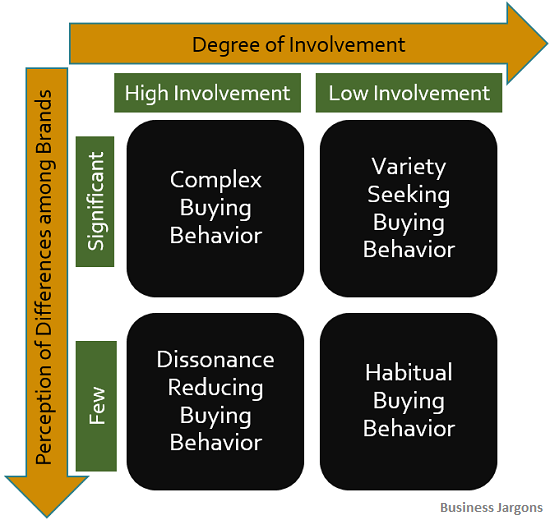
1. Complex Buying Behavior
- This
Definition: Occurshappens whenconsumerspeople arehighlyvery involved inthebuyingpurchaseaofproduct,anusually because it is expensive orunfamiliarunfamiliar.product. CharacteristicsCharacteristics::HighTheriskdecisionduefeelstoriskysignificantbecausecostit costs a lot or has a big personal impact.ExtensiveConsumersresearchspend a lot of time researching andinformationgatheringare involved.information.ConsumerTheyseeksseekopinionsadvice from friends, family,andorexperts.experts to make the right choice.
ExampleExample::
Buying a car for the first time is asignificantbigdecisiondecision.requiringPeoplesubstantiallookresearchat reviews, compare models, check safety features, andconsideration.ask - for opinions before deciding.
Marketing
ImplicationImplication::
Marketersshouldneed to provide detailedinformation,informationemphasizeaboutproductthe product, highlight its benefits, and addresspotentialany doubts or concerns toinfluencehelp theconsumer'sbuyer feel confident in their decision.
Definition:
2. Dissonance-Reducing Buying Behavior
- This
Definition: Happenshappens whenconsumerspeoplearecarehighlyainvolvedlot about their purchase butperceivedon’tminimalseedifferencesmuch difference between the available brands. CharacteristicsCharacteristics::OccursThedueproducttoishighusuallypriceexpensive orinfrequentboughtpurchaseinfrequently.- Since the brands are very similar, people might feel unsure or worried after buying.
Example:
Choosing a folding table may involve comparing a few brands with similar designs and prices, but the decision still feels important because of theproduct.cost.
LimitedMarketing
optionsImplication:
orMarketersminimalshouldvariation between brands drive the decision.
Definition:
3. Habitual Buying Behavior
Definition:
This happens when people make a purchase out of habit, with little thought or effort, because they are not very involved in the decision.
Characteristics:
- People
Definition:buyInvolvesthelowsameconsumerproductinvolvementrepeatedlyandwithoutfewcomparingperceived brand differences.brands. Characteristics:- Decisions are
routinemadeandautomatically, often based onhabit rather than detailed evaluation. Consumers often purchase the same brand regularly.familiarity.
- Decisions are
ExampleExample::
Buyingan energy drink or everydayitems like toothpaste, snacks,juices,orandjuicechocolates.is - usually a habit. People stick to the brand they’ve been using unless there’s a strong reason to switch.
Marketing
ImplicationImplication::
UseMarketers should use repetitive advertisements, discounts, and promotions toreinforcekeep the brandfamiliarityat the top of the consumer's mind andensureencourage repeat purchases.
4. Variety-Seeking Buying Behavior
- This
Definition: Occurshappens whenconsumerspeopleexhibitarelownotinvolvementvery involved in the purchase butperceivenoticesignificantbig differences betweenbrands.brands, - leading them to try new options for fun or variety.
CharacteristicsCharacteristics::- Consumers
experimentswitch brands often, not because they are unhappy, but because they want to try something new. - This type of behavior is common with
differentlow-costproducts for variety, not out of dissatisfaction. Frequent brand switching driven by curiosity or boredom.items.
- Consumers
- A
Example:personChoosingmight buy a differentcookiebrandforofacookieschangeeachintimetastethey shop just to try different flavors orexperience.textures.
Marketing
ImplicationImplication::
Brands should offermultipledifferent options, such as trialpacks,packsandorpromotionsnew flavors, to attractcustomerscurious customers. Promotions and special offers can also encourage brand switching.
Summary
The four types of buying behaviors reflect how people think and feel when making purchases:
- Complex Buying Behavior: High involvement, significant research.
Definition:
Example:
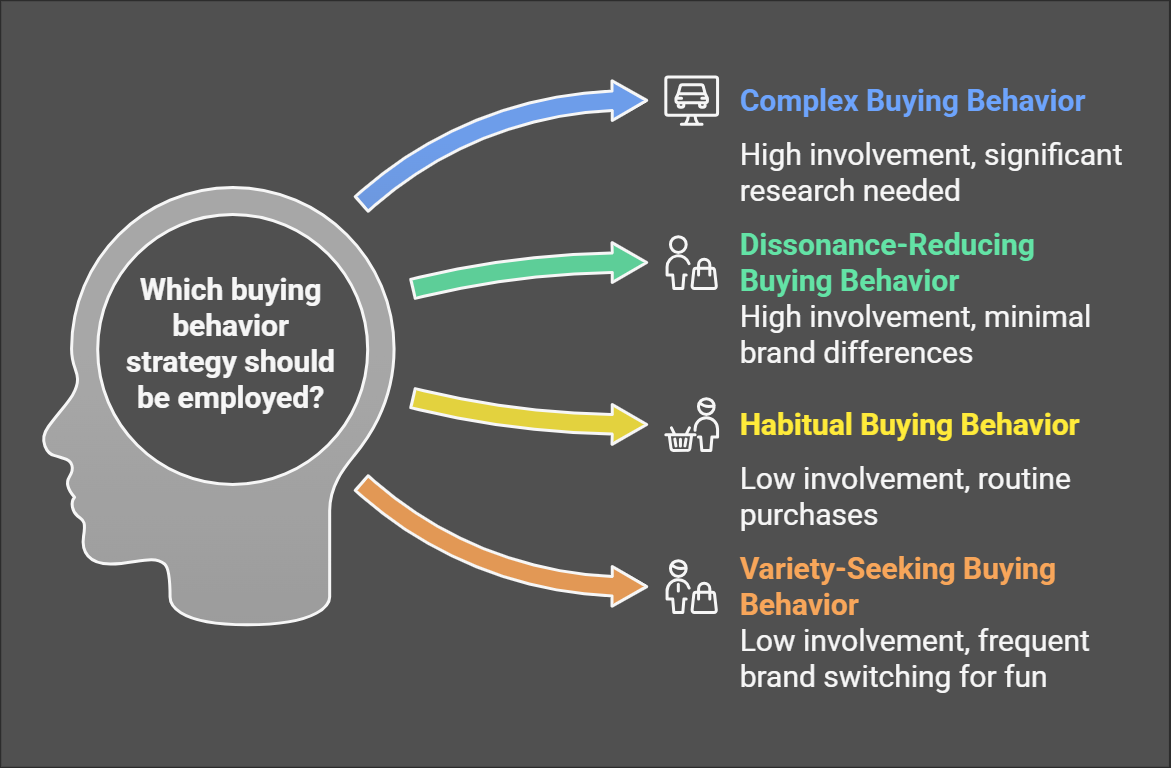 Marketers can use these insights to create strategies that meet consumer needs and influence their choices effectively.