
A Synopsis of the Four Vedas
A Synopsis of the Four Vedas
I. Introduction
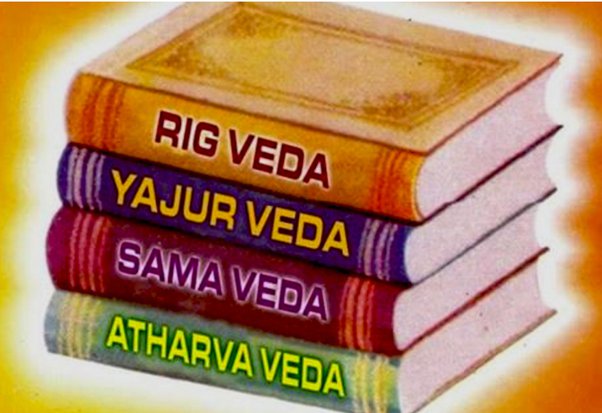
- Four Vedas: Rigveda, Yajurveda, Samaveda, and Atharvaveda
- Historicity: Difficult to date precisely, with estimates ranging from 5000-8000 years old.
- Systematization: Krishna Dvaipayana (Vyasa) is credited with organizing the Vedas, dividing them into compartments, and appointing disciples for propagation.
II. Rigveda
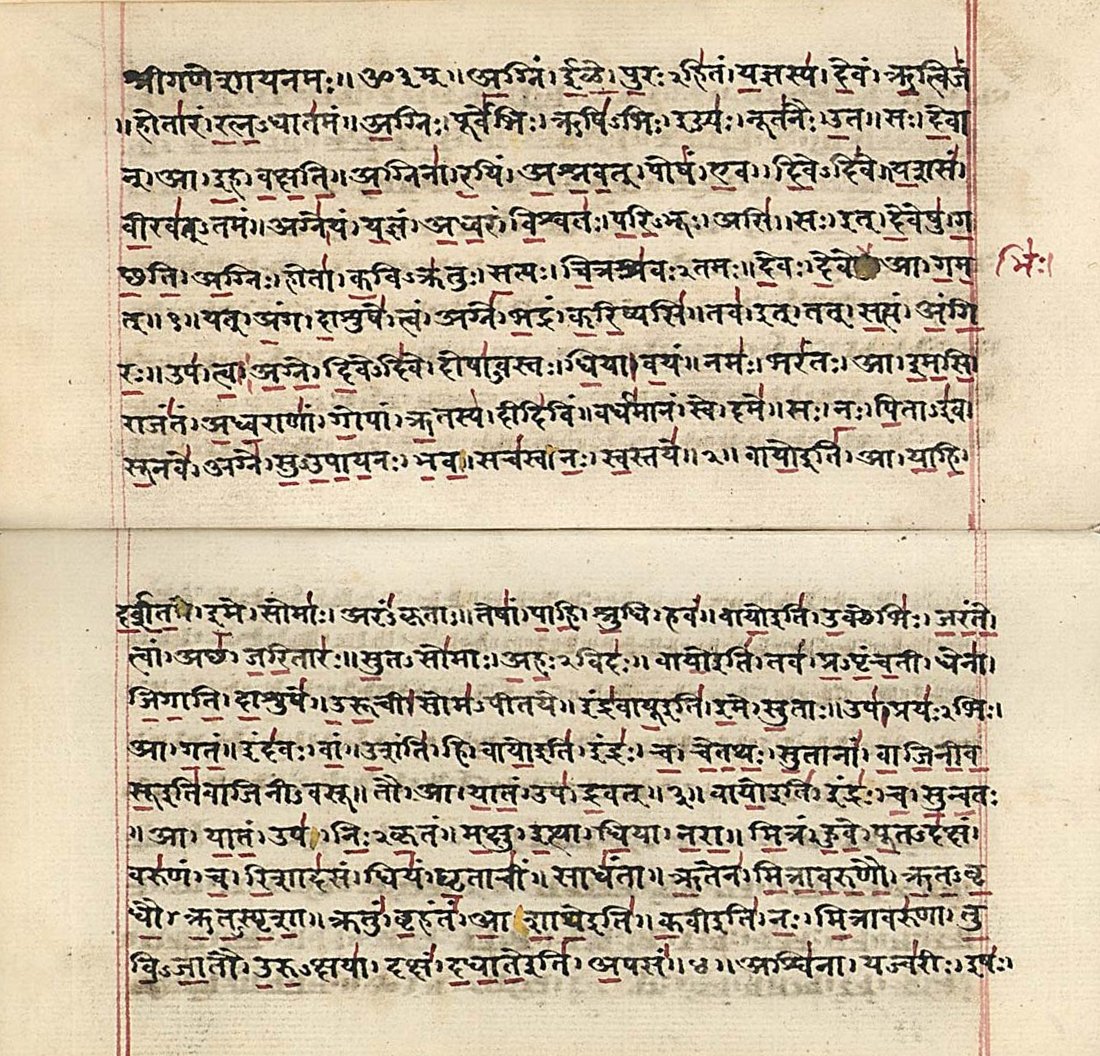
- Earliest and Largest: Oldest, largest, and most sacred book of India.
- Mantras: Contains ~10,700 mantras.
-
Content: Utterances of Vedic sages on various topics in poetic form.
- Includes topics like the origin of the universe, marriage, nature, and more.
- Priest: Known as "Hota" or "Hotr" who uses mantras to praise invoked deities (Devata).
- Purpose Brings forth the invoked deity.
III. Yajurveda

- Root Meaning: From the root word "yaj", meaning "to worship with sacrifice."
- Focus: Confines itself to conducting sacrifices (Yajnas) with details on rituals.
- Mantras: Called "Yajus"
- Form: Primarily in prose (paragraphs), not poetic meter like Rigveda.
-
Priest: Called "Adhvaryu" who is in charge of the performance of sacrifices.
- May have three assistants.
-
Branches:
- Krishna Yajurveda: Mixture of prose and poetry.
- Shukla Yajurveda: Entirely in poetic form, similar to Rigveda.
- Topics: Includes human anatomy, metals, constellations, seasons, numbers, geometry, grains, yogic insights.
- Purpose Is responsible for carrying out the actual ritual
IV. Samaveda
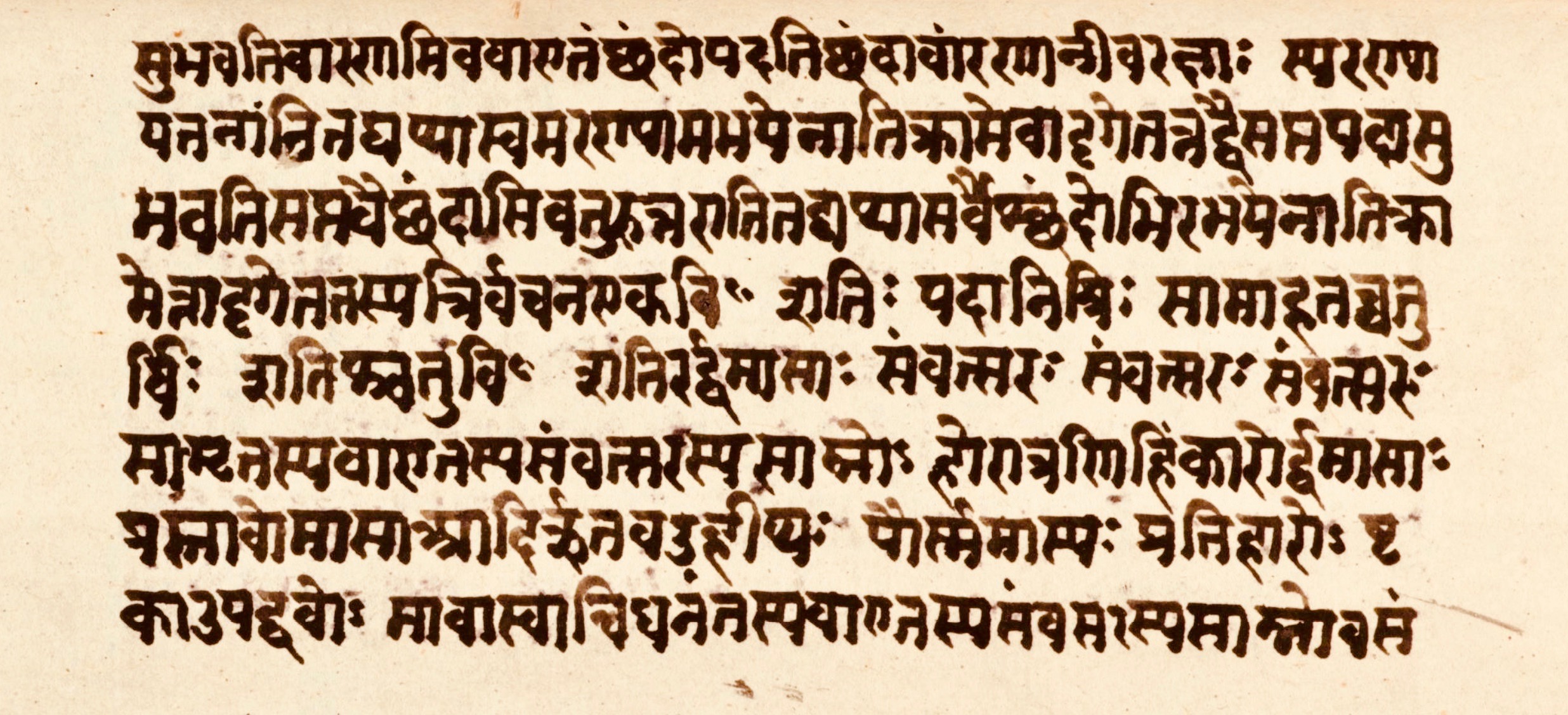
- Root Meaning: From the Sanskrit root "Sama," meaning "to please, pacify or satisfy."
-
Function: Takes Rigveda mantras and sets them to music to praise the deities.
- Intended to satisfy and please the Gods.
- Priest: Called "Udgata" or "Udgatr" who sings mantras after the offering is made by Yajurveda.
-
Connection to Music:
- Mantras are set to musical scales similar to the seven scales of classical music.
- Considered the origin of Indian classical music.
- Structure: The mantras are musical and meant to be sung.
- Branches: Thousands of branches once existed, but only three remain (endangered).
-
Structure: Divided into two parts:
- Purvarchikam
- Uttararchikam
- Content: 1550-1950 Mantras; mostly borrowed from the Rigveda, except for 75 mantras.
- Purpose: Is responsible for praising the deity by musical singing of the Rigvedic mantras.
V. Atharvaveda
- Historical Origin: Believed to be a later addition or reclassification from the other three Vedas.
- Priest: Known as "Brahma" whose main job is the overall coordination and monitoring of the entire Vedic ritual.
- Composition: Consists of one-sixth of its mantras are taken from the Rigveda.
- Mantras: Contains ~6077 mantras organized into 736 suktas.
- Content A portion is derived from the other three Vedas; it is a compilation of spells, curses, amulets and so forth.
VI. Summary
- The Vedas are divided into four major portions.
- Each of the Vedas is also further divided into various sections.
No Comments